Sustaining learning through play in Northern Ethiopia: Reflections from Sheraro and Dedebit
Feb 19, 2026
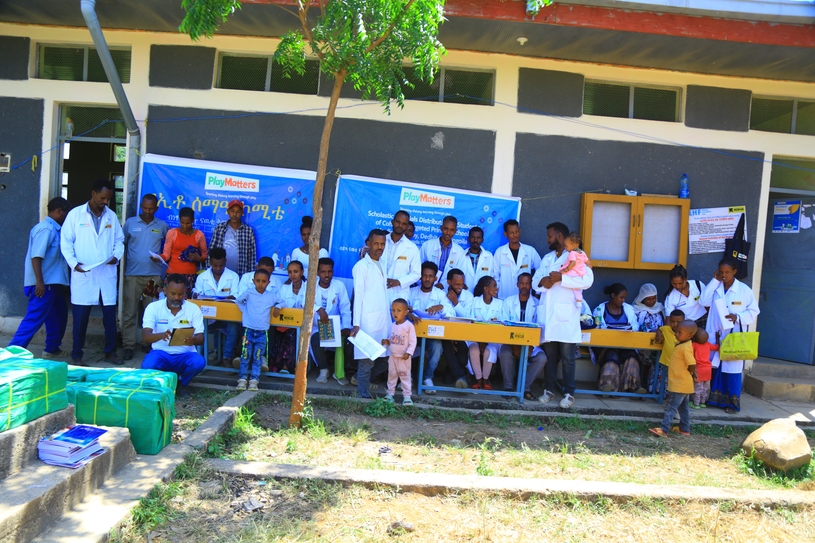
In Sheraro and Dedebit towns of northern Ethiopia, schools are steadily rebuilding, not only their classrooms, but their culture of teaching and learning. Following several years of disruption caused by the COVID-19 pandemic and conflict in Northern Ethiopia, reopening schools was only the first step. Restoring meaningful learning, rebuilding confidence among teachers, and supporting children’s emotional recovery required more than infrastructure. It required a shift in how teaching happened, with approaches that could re-engage learners, while fostering safe and inclusive learning environments.
Through the PlayMatters initiative working with the Regional Education Bureau, Learning through Play (LtP) was introduced as part of a comprehensive package of teacher training, school leadership support, and classroom resources. Today, even after the formal project phase has ended, many of those practices remain.This is the story of what stayed.
Reopening schools, restoring confidence
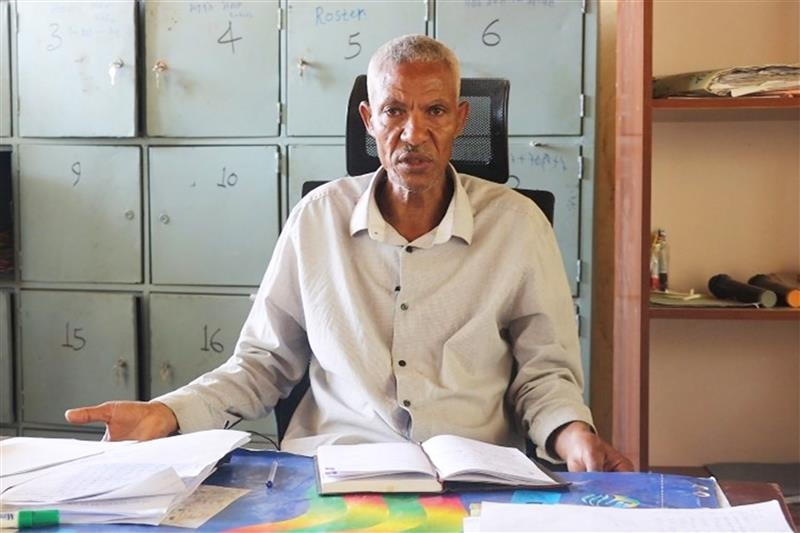
Mr. Mesfin Yihedegu ,Principal of 107 KORE Primary School in Sheraro
At 107 KORE Primary School in Sheraro, Principal Mr. Mesfin Yihedegu remembers the long period of closure.“Most of our students recovered emotionally because of our play-based teaching,” he explains. “PlayMatters gave us the confidence and energy to teach again. "When schools reopened in late 2023, children were returning from displacement, trauma, and interrupted schooling. Learning through Play created space for interaction, collaboration, and expression, helping learners re-engage academically while rebuilding social-emotional skills.
Years later, Learning through Play remains embedded in daily lessons. School leaders continue conducting classroom observations using PlayMatters-developed checklists, and most teachers consistently apply play-based instructional practices. According to the principal, student enrolment has increased compared to pre-intervention levels, reflecting renewed community trust in the school.
However, sustainability brings new challenges. Each year, approximately 25% of teachers are newly recruited or transferred. Without regular refresher training or induction sessions for new staff, maintaining consistency in LtP practice becomes challenging, but offer opportunities for strengthening institutionalization.
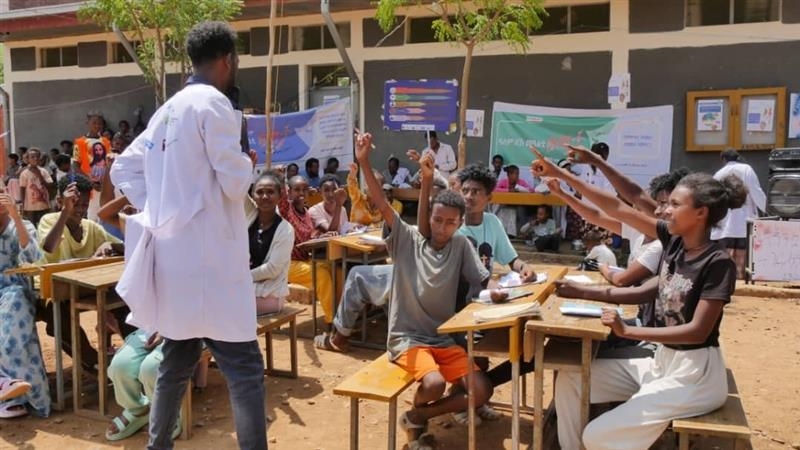
From method to mindset in Dedebit
In Dedebit Primary School, LtP has evolved from an introduced approach into a core part of school identity. "If a teacher sticks to the old, one-way teaching style, students quickly lose focus,” says Mr. Feseha Gebremedhin, the school director. “The environment demands that lessons be engaging and interactive." The school’s resource center has become a hub for improvising teaching materials using locally available resources. Classroom observations continue regularly, reinforcing quality standards. Importantly, the Parent-Teacher-Student Association (PTSA) has mobilized local contributions to improve infrastructure and safety within the school compound.
Recently, the community raised funds to construct additional classrooms evidence of strong ownership and belief in the value of learning. As Deputy Director Mr. Tsegaye notes, “The fingerprints of PlayMatters are still visible.”
System ownership at woreda level
Sustainability has also extended beyond individual schools. At the Sheraro Woreda Education Bureau, Learning through Play remains on the agenda even after project phase-out. The bureau conducts monthly meetings with school leaders to review progress, shares feedback from classroom observations and has adopted a cluster approach where previously supported schools mentor neighboring ones.This cascade model has allowed Learning through Play practices to expand across all primary schools in the town, despite financial limitations.
While resource constraints remain, particularly for annual teacher training, the woreda leadership continues to view LtP as a relevant and context-appropriate approach for children affected by displacement and crisis.
Evidence that reinforces practice
The continued commitment observed in Sheraro and Dedebit aligns with broader evidence from Ethiopia.A recent randomized controlled trial (RCT) conducted in the Somali region found that Learning through Play significantly improved teaching quality, classroom management, student engagement, and children’s numeracy, literacy, social-emotional skills, and wellbeing. The intervention was also found to be highly cost-effective.
Importantly, the RCT underscored the central role of Teacher Continuous Professional Development (TCPD) in sustaining these gains. Structured training, peer collaboration, and ongoing mentorship were critical drivers of improved instructional quality.
These findings are echoed in the reflections from Sheraro and Dedebit: when teachers are supported through continuous professional learning and leadership oversight, playful, inclusive teaching practices endure.
Similarly, insights from Ethiopia’s 2nd National Conference on Play-based Learning highlighted the importance of embedding play-based approaches within policy frameworks, teacher education, and local governance systems. The experiences of these schools demonstrate how such institutionalization can take shape at local levels.
Sustaining the gains.
While the impact of PlayMatters remains visible, sustaining momentum requires ongoing attention. School leaders consistently identified three priorities:
- Periodic refresher and rollout training for new teachers
- Continued light-touch technical follow-up and supervision
- Renewed provision or local sourcing of teaching and learning materials
These are not requests for large-scale reinvestment, but for strategic reinforcement of practices already adopted.
A durable shift
The story of Sheraro and Dedebit is about how Learning through Play, when aligned with leadership, teacher professional development, and system integration, can continue beyond funding cycles. In towns rebuilding from crisis, learning through Play has become more than a methodology. It is a practical, system-supported way of strengthening instructional quality, fostering resilience, and supporting children’s holistic development. And in classrooms where playful interaction continues, the evidence lives not only in research findings, but in daily practice.