PlayMatters 3.0 Launches in Ethiopia with a focus on scaling Learning through Play through national partners
The new phase of the project builds on six years of implementation, with strong evidence from Ethiopia showing learning through play improving literacy, numeracy and wellbeing for children, as well as improved classroom management practices for teachers
Oct 13, 2026
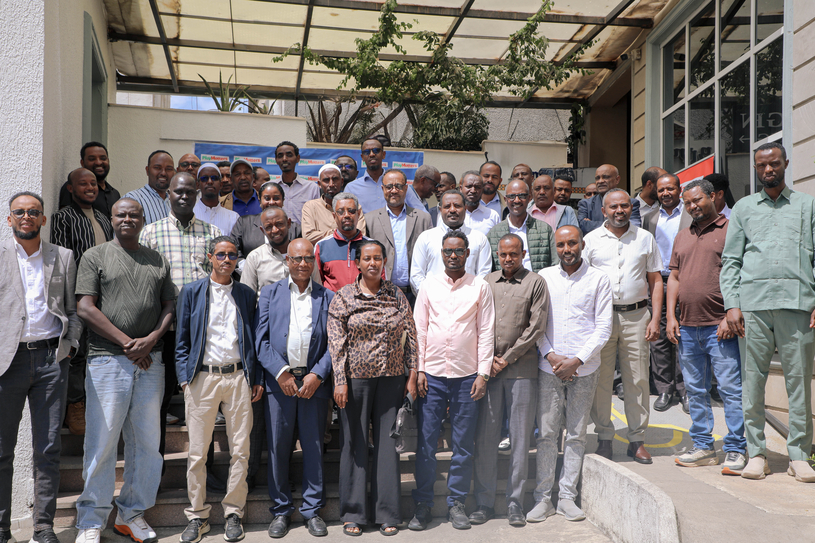
ADDIS ABABA, September 30, 2026. The PlayMatters project officially launched its next phase in Ethiopia, (PlayMatters 3.0) at a national event that brought together consortium partners IRC and Plan International, as well as representatives from the Ministry of Education and Regional Education Bureaus, Kotebe University of Education and Regional Colleges of Teacher Education, development partners and the PlayMatters 3.0 Ethiopia national implementing partners. The next phase of the project aims to strengthen the integration of Learning through Play (LtP) within Ethiopia’s education system. It places a renewed emphasis on system strengthening, enhanced government ownership, and the sustainable scale up of LtP, particularly for children affected by crisis.
The new phase of the project builds on six years of implementation, with strong evidence from Ethiopia showing learning through play improving literacy, numeracy and wellbeing for children, as well as improved classroom management practices for teachers.
Opening the event, Yodit Tsegaye, Director of Programs at the International Rescue Committee, delivered a message from the LEGO Foundation, congratulating the PlayMatters Ethiopia team on the launch of PlayMatters 3.0 and emphasizing the importance of working increasingly through national education systems to reach more children and achieve lasting impact.
‘’What excites us most about this next phase in Ethiopia is the opportunity to build on the strong foundations that are already in place. With PlayMatters 3.0, we are taking what we have learned together, strengthening what works, and working increasingly through national systems so that learning through play can reach and benefit children well beyond the life of a single project,’’ said Mary Winters, Program Manager at the LEGO Foundation.
Speaking at the event, Dr. Alemayehu Belachew, Education Thematic Sector Lead at Plan International, highlighted the contribution of LtP to children's holistic development and its potential to create more engaging and effective learning experiences. Dr. Alemayehu also added, “When teachers embed LtP into everyday classroom practice, they nurture the whole child, cognitively, socially, emotionally, and physically, and transform lessons into engaging, effective learning experiences that stay with children for life.”
Representing the Ministry of Education, Asseged Miressa, CEO for Teachers and Education Leaders Development, reaffirmed the Government of Ethiopia’s commitment to LtP, noting its relevance in improving learning outcomes and strengthening education quality across the country.
“Through the LtP approach, PlayMatters has demonstrated that children learn more effectively and retain knowledge longer when learning is grounded in play. I commend the project for its significant contribution to strengthening the quality of education across the nation and encourage its continued expansion to reach more schools, communities, and children. The Ministry remains fully committed to supporting this effort and advancing innovative approaches that improve learning outcomes for all children,” the CEO affirmed.
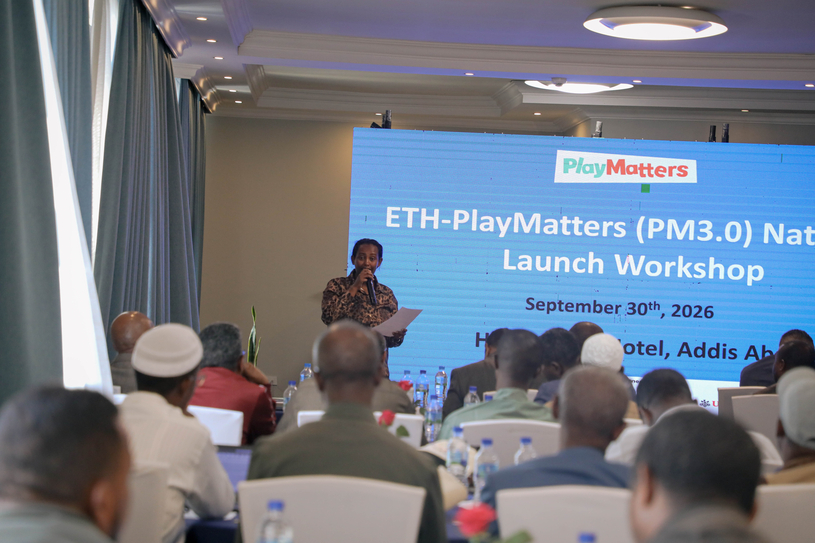
Asseged Miressa, CEO for Teachers and Education Leaders Development, Ministry of Education, making remarks during the national launch of PlayMatters 3.0 in Ethiopia
A video message from Paul Timothy Mwuebe, Deputy Project Director of the PlayMatters Regional Program Team, underscored the importance of continued partnership and collaboration among governments, educational institutions, and system actors to sustain and expand the impact of the initiative.
During the launch, participants were introduced to the vision, objectives, and implementation modalities of PlayMatters 3.0. A practical LtP demonstration featuring Bollo, a traditional Oromo game, was presented to showcase how play-based approaches can promote children's cognitive, social, emotional, and physical development while creating meaningful learning opportunities.
The hybrid event also featured an online presentation on the PlayMatters 3.0 Monitoring, Evaluation, Accountability and Learning (MEAL) Framework, highlighting policy engagement, teacher professional development, coordination, and institutionalization as key priorities for the new phase.
The launch concluded with a strong call for continued collaboration, government leadership, and collective action to support the integration and sustainable scale-up of LtP across the nation, ensuring more children benefit from engaging, inclusive, and effective learning opportunities.
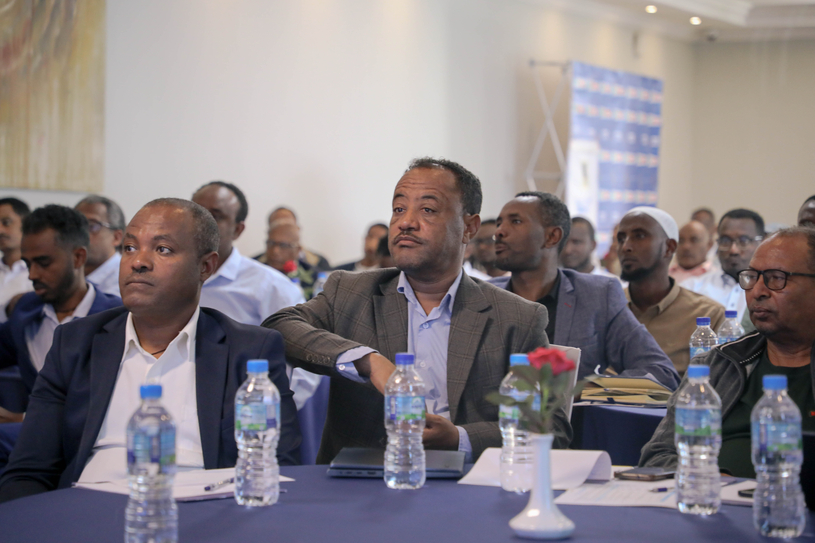
Paricipants attending the national launch of PlayMatters 3.0 in Ethiopia
PlayMatters PM 3.0 will be implemented across seven regions of Ethiopia, reaching children in both development and humanitarian settings through a consortium led by the International Rescue Committee (IRC)in partnership with Plan International. Building on a strong commitment to localization, the program will be delivered through national implementing partners whereby IRC will work alongside the Organization for Welfare and Development in Action (OWDA) in Somali Region, Tigray Development Association (TDA) in Tigray Region, Amhara Development Association (ADA) in North Wollo, Amhara Region, and Oromia Development Association (ODA) in East Hararghe, Oromia Region.
Plan International on the other hand will directly implement activities in Afar, Benishangul-Gumuz, and Gambella regions, while partnering with Education for Sustainable Development (ESD) in North Shewa IDP and host community settings, Development Expertise Center (DEC) in North Gondar and Alem Wach refugee settings, and the Professional Alliance for Development in Ethiopia (PADeT) in conflict-affected schools in Awi Zone, Amhara Region. Through these strategic partnerships, PlayMatters
PlayMattets in Ethiopia aims to reach 145,000 children by 2030 while strengthening the capacities of teachers, school leaders, caregivers, community structures, and government stakeholders to deliver inclusive, engaging, and high-quality learning experiences.