How parents and leaders helped sustain learning in Yumbe and Adjumani districts
Feb 24, 2026
In Adjumani and Yumbe districts, teachers and communities continue to show resilience and commitment to learning amid everyday challenges. Even with large class sizes and limited resources, schools are finding practical, locally driven ways to keep children engaged and supported.
These districts, which host large refugee populations, have long faced pressures on education systems. Teacher shortages remain common, and classrooms often exceed the national recommended ratio of 1:55. Reductions in external funding for education in emergencies have further strained schools. Despite these realities, many communities have stepped forward to support their schools in practical and meaningful ways, helping to protect learning continuity for thousands of children.
Strengthening community participation in schools
As part of the PlayMatters project, members of School Management Committees (SMCs) and community leaders from 42 schools in Yumbe and Adjumani received training and continued follow-up support on their roles in supporting inclusive learning environments. The focus of the training was not only on Learning through Play, but also on school governance, community engagement, and local ownership of education, within established school-parent structures. Participants explored how parents and leaders could contribute to school improvement, strengthen accountability, and support children’s wellbeing. These efforts are part of PlayMatters' community engagement and sustainability approaches.
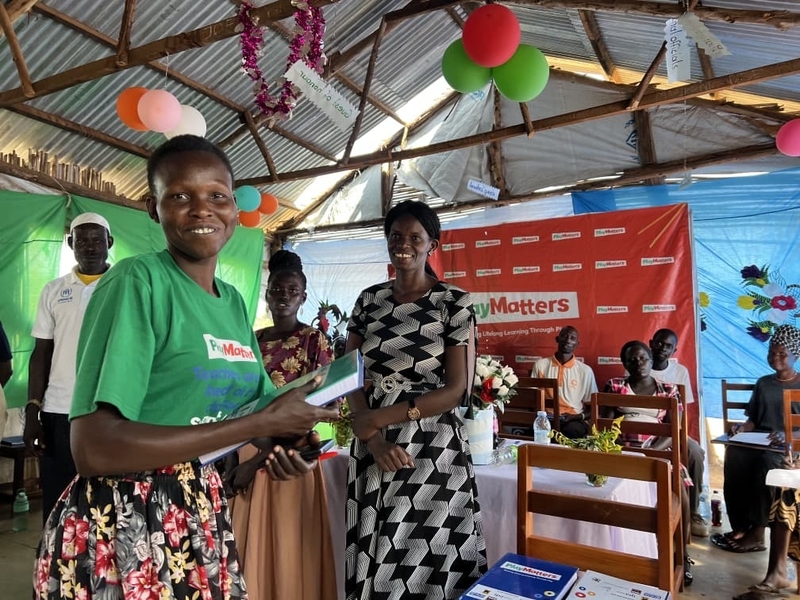
Members of School Management Committees during a community dialogue
Following the training, the School Management Committees and parents became more active in school life. Many schools organized regular parent dialogue meetings, open days, and play days to bring families closer to classrooms. Back-to-school campaigns helped encourage attendance, while district education officials provided mentorship to strengthen accountability, planning, and follow-up. These efforts helped build stronger relationships between schools and communities, creating a foundation for greater local involvement in education.
Local action making a practical difference
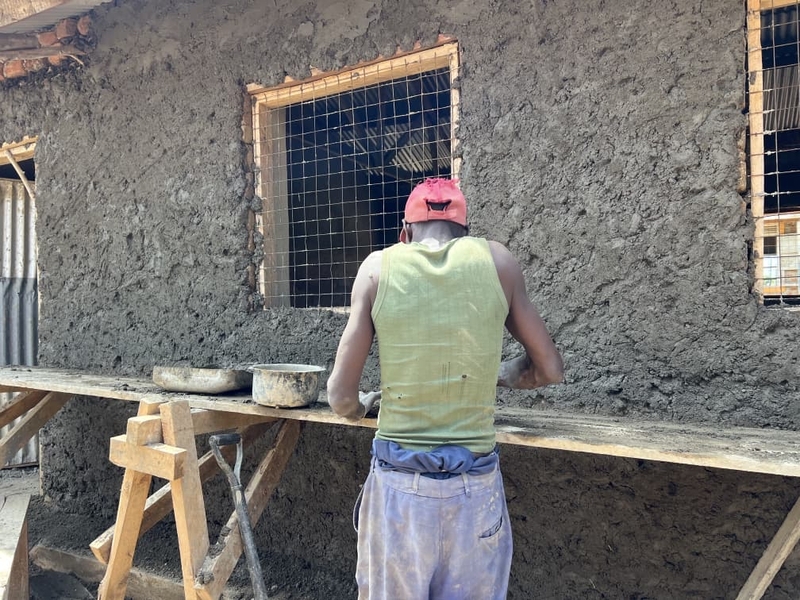
As engagement increased, parents began contributing time, ideas, and financial resources to support school improvement plans. Communities helped renovate classrooms, construct fences to improve safety, strengthen school feeding initiatives, and address one of the most pressing needs which is teacher shortages.
Across the 42 schools, School Management Committees mobilized funds to recruit and pay 118 additional teachers. On average, each teacher receives UGX 150,000 / USD 44 per month for three months each term. Over a year, these community contributions amount to approximately UGX 159,300,000 / USD 47,000.
This locally driven support has helped schools cope with staffing gaps and maintain more stable learning environments. With additional teachers available, classrooms are better managed, and children receive more consistent attention. The broader PlayMatters community engagement approach, particularly the emphasis on school governance, community engagement, and inclusive learning, helped provide a platform for this collective response.
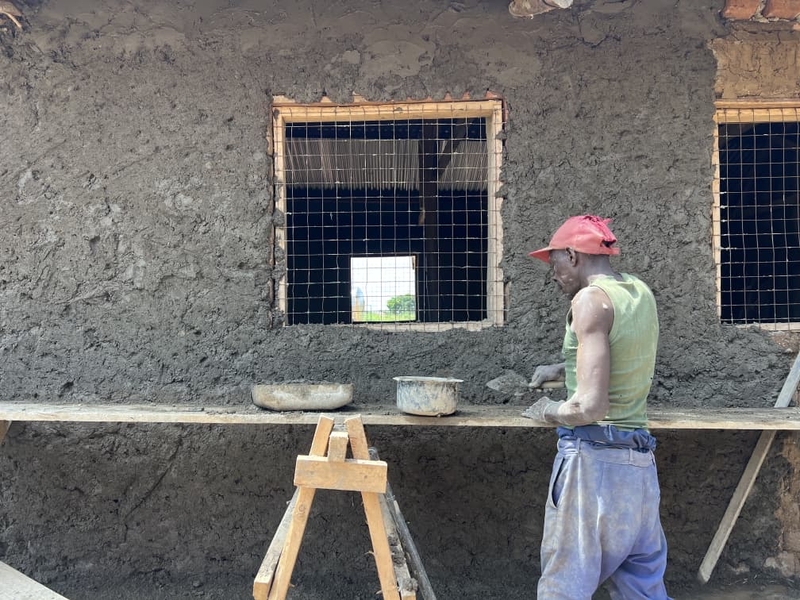
A parent participating to renovate a classroom block
Key lessons from Yumbe and Adjumani Districts
The experience of these districts offers several practical lessons for other education contexts:
Community ownership strengthens sustainability. When parents and leaders are meaningfully involved and engaged in programing, they are more likely to invest their time and resources in local schools.
Parent engagement improves learning environments. Dialogue meetings, open days, and community outreach help build trust and encourage shared responsibility for education.
Good governance supports better outcomes. Training SMCs and providing regular mentorship has improved planning, transparency, and accountability at school level.
Local resource mobilization builds resilience. Communities can play an important role in filling critical gaps, especially during periods of funding uncertainty.
Learning through Play benefits from supportive systems. When Learning through Play is integrated into school improvement plans and backed by active communities, it is more likely to be sustained and practiced consistently.
Looking ahead
The experiences in Yumbe and Adjumani Districts shows that even in challenging circumstances, schools can continue to grow when communities are engaged and supported. Parents, leaders, and teachers have demonstrated that protecting children’s learning does not always depend on large external investments. Often, it begins with local commitment, cooperation, and a shared belief in the value of education.
Their offers a practical model for other districts seeking to strengthen learning through community partnership proving that resilience, collaboration, and local leadership can ultimately support children’s learning in school.
Read more about PlayMatters Community Engagement and Sustainability approaches in our latest Evidence Brief