Adapting Learning through Play for South Sudan’s classrooms as PlayMatters 3.0 begins implementation
Through internal and joint workshops with the Ministry of Education and General Instruction (MoGEI), PlayMatters is working with South Sudan’s education system actors to ensure Learning through Play materials are practical, inclusive and grounded in the r
Oct 15, 2026
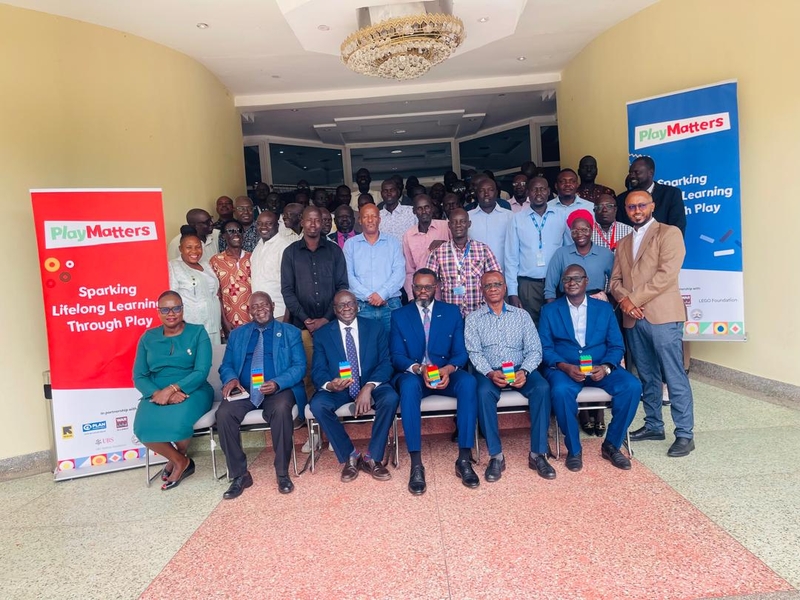
As South Sudan begins implementing PlayMatters 3.0, an important first step is ensuring that the PlayMatters Learning through Play (LtP) materials that will support teachers, school leaders and communities are fit for the context in which they will be used. Rather than utilizing materials developed during the previous phase of PlayMatters for Uganda, Ethiopia and Tanzania, the project has begun a systematic process to adapt its Core Package for South Sudan, examining core elements from teacher usability, simplicity, cultural considerations, and content alignment with the South Sudan curriculum.
At the centre of the process is a simple mantra: meet teachers where they are, and work together to support them at every state of their journey towards growth and excellence The adaptation process goes further by asking whether the materials will enable all learners, including girls, boys and children with disabilities, to participate meaningfully.
The adaptation process began with PlayMatters teams from South Sudan and the Regional Project Team reviewing materials developed during the project's first phase and considering how they could be strengthened for use in South Sudan.
The review considered how the materials could be adapted for the South Sudan context and ensure that the materials promote the meaningful participation of girls, boys and children with disabilities, while remaining realistic for classrooms where teachers may be working with large classes and limited resources.
This initial work helped identify areas that could be readily adapted based on existing PlayMatters experience, as well as questions that would benefit from the knowledge and perspectives of South Sudan's education actors, teachersand other practitioners. These became a foundation to transition to the next stage, and where experts from the Ministry of Education and General Instruction joined the Learning through Play content review process.
Shaping the materials with South Sudan’s education system actors
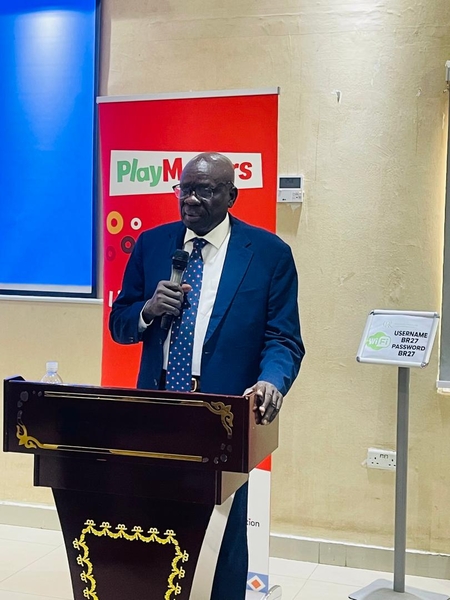
Hon. Omot Okony Olok Guon, Undersecretary, Ministry of Education and General Instruction making remarks during the workshop
The second stage brought the materials to the MoGEI, and other South Sudan system actors for external review.
This moves the process from technical reviews and writing towards co-creation and validation.
System actors reviewed the materials, assessing their alignment with approved MoGEI policies, curricula, frameworks, structures, standards and terminology. They also led the more substantive adaptations: assessing whether proposed activities and approaches are realistic for South Sudanese teachers, trainers, school leaders and communities and determining what needs to change.
The external review therefore asked practical questions: Are Learning through Play activities realistic for the context in which they will be applied? Do materials easily tell teachers what to do rather than only what they need to know? Can suggested approaches be implemented without creating unnecessary burdens? And, critically, can these changes be made while preserving the core principles and integrity of Learning through Play?
This combination of technical expertise and system knowledge is intended to result in materials that are not only recognizably South Sudanese, but also technically accurate, practical and usable by the people for whom they are designed.
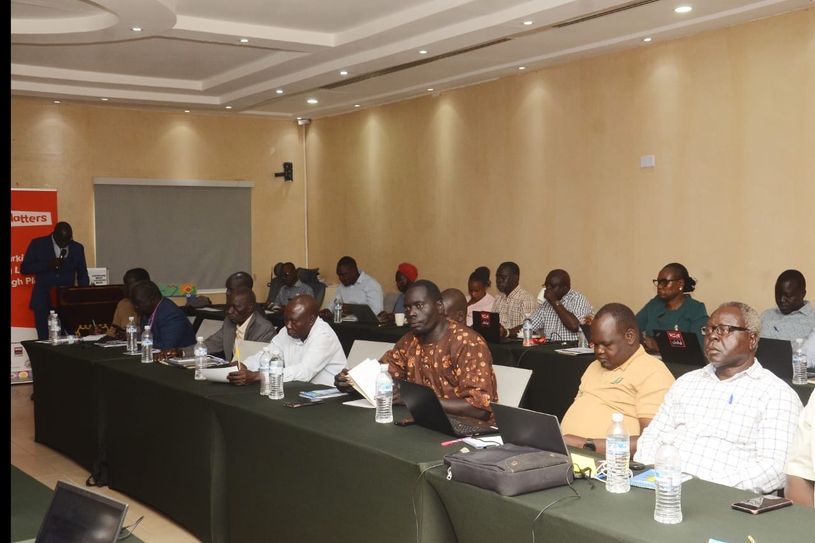
Participants from the Ministry of Education and General Instruction
Laying the groundwork for sustainable implementation
The adaptation process reflects a broader ambition for PlayMatters 3.0 in South Sudan. Introducing Learning through Play is not simply about delivering a set of materials or training teachers to use a collection of activities. Sustainable implementation requires approaches that make sense within the education system and can be understood, utilized and ultimately owned by the institutions and practitioners responsible for delivering education.
As PlayMatters 3.0 begins implementation in South Sudan, this collaborative adaptation provides an important starting point by building on materials developed in the previous phases of the project while being aligned to the South Sudan context.
That process of adaptation, validation and co-ownership will help lay the groundwork for Learning through Play approaches that respond to the realities of South Sudan’s classrooms today while creating a stronger foundation for sustainable implementation and scale.
Browse the PlayMatters Learning through Play Library to explore practical resources designed to support teachers in using Learning through Play with children aged 3–12+ in humanitarian and development settings, contributing to improved holistic learning and wellbeing outcomes.